Couples Conflict. Rebuild Trust and Repair
Conflict can change the way partners see one another. Repeated arguments, unresolved hurts, broken promises, and betrayal can gradually replace a sense of “we are on the same team” with uncertainty, defensiveness, emotional distance, and the need to protect ourselves. Couples Conflict, Trust & Repair explores what happens when couples become trapped in the same argument, why two people can experience and respond to the same hurt so differently, and how betrayal can lead to emotional shutdown, hypervigilance, withdrawal, or difficulty believing that the relationship can ever feel safe again. Through resources on Building Trust After Betrayal, Having the Same Argument, Why We Hurt So Differently, and Betrayal Shutdown, couples can begin looking beneath the conflict to understand the emotional injuries, meanings, needs, and protective reactions keeping them disconnected.
Repair begins when the goal changes from proving who is right to understanding what happened to us and what must happen differently now. Couples can learn to recognize recurring conflict cycles, regulate intense emotional reactions, understand one another's experience of hurt, rebuild trust through consistent and transparent behavior, and gradually replace protection with connection. The goal is not to pretend the injury never happened or simply return to the relationship that existed before it. It is to use greater understanding, accountability, safety, and intentional change to build a relationship capable of becoming more trustworthy, connected, and resilient than the patterns that brought it here.
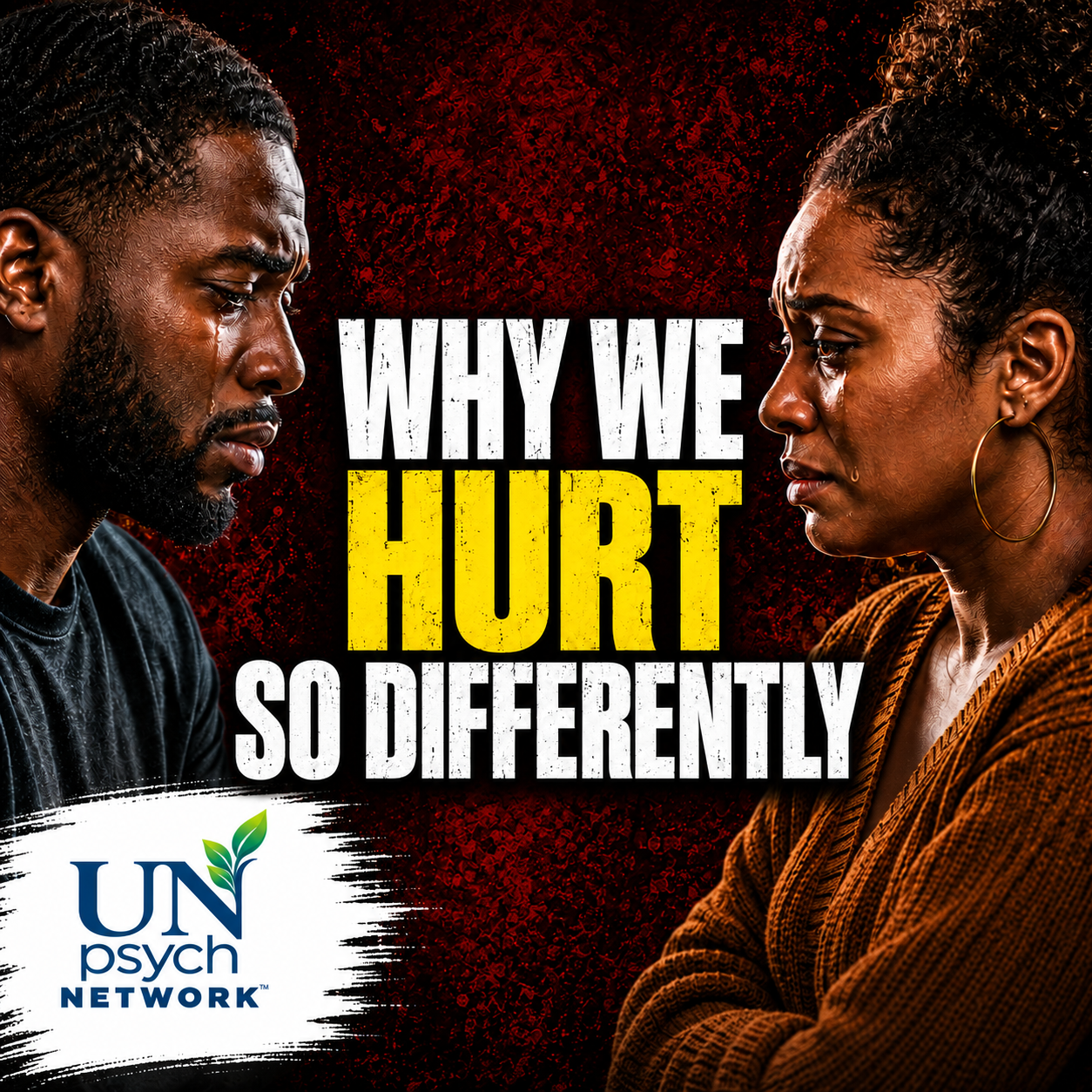
Series #1 Betrayal, We Hurt Differently
Betrayal wounds both partners, but it rarely wounds them in the same way. The series explores what happens when each partner becomes overwhelmed by their own pain that they can no longer see the wound the other person is carrying. For the betrayed partner, the injury may shatter safety and self-trust, creating hypervigilance. For the partner who caused the betrayal, shame and the fear of “Maybe I'm not good enough” can lead to defensiveness & shutdown.
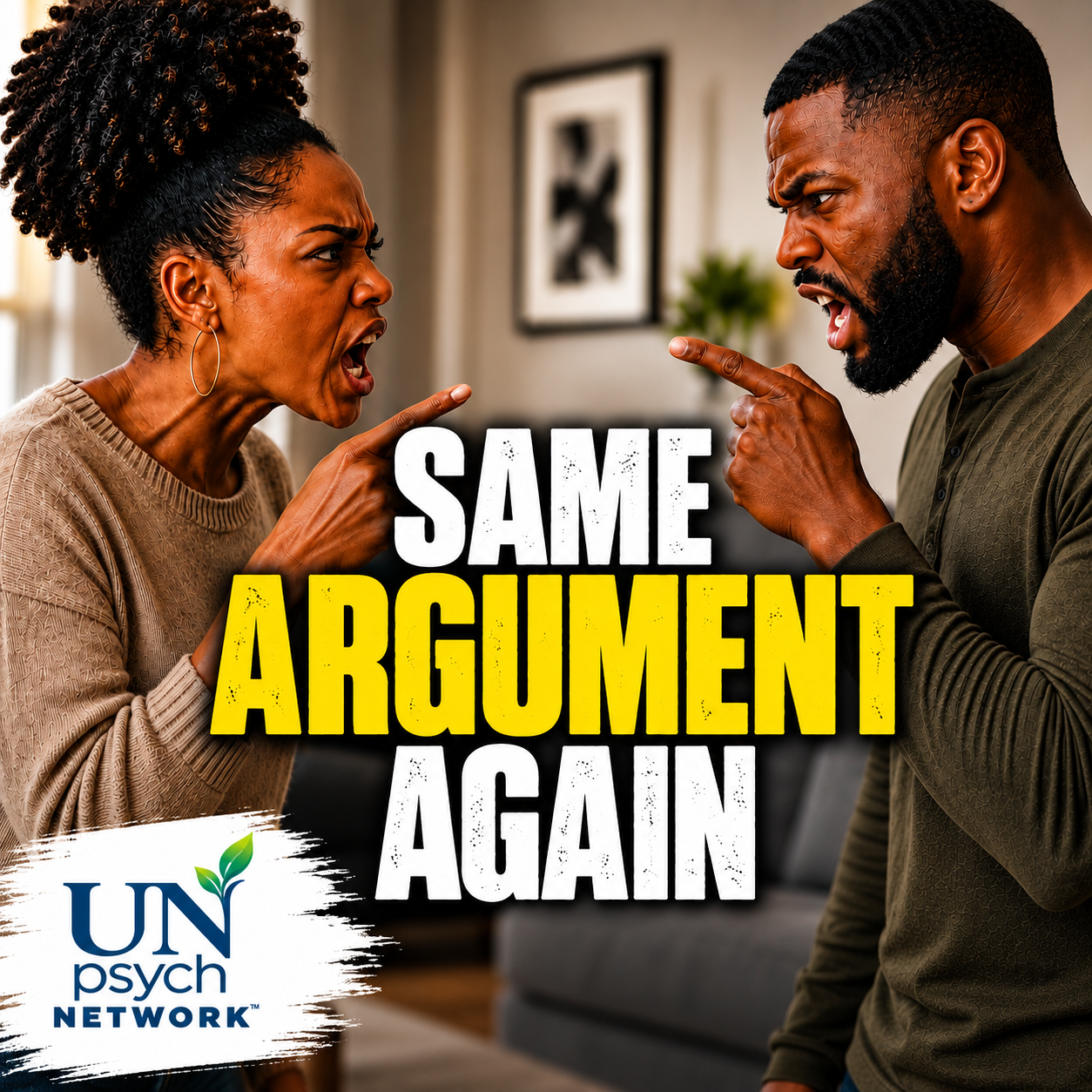
Series #2 Podcast Same Argument Again
As unresolved issues accumulate, each new disagreement can carry the emotional weight of all the arguments that came before it. Once the emotional brain becomes highly activated, the thinking brain takes a back seat, making it harder to listen, understand, problem-solve, or find meaningful resolutions. This podcast helps couples look beneath what they are arguing about to discover what they are really fighting for. Learn how emotional regulation, understanding deeper needs, and changing patterns and strategies can finally lead to resolutions that last.
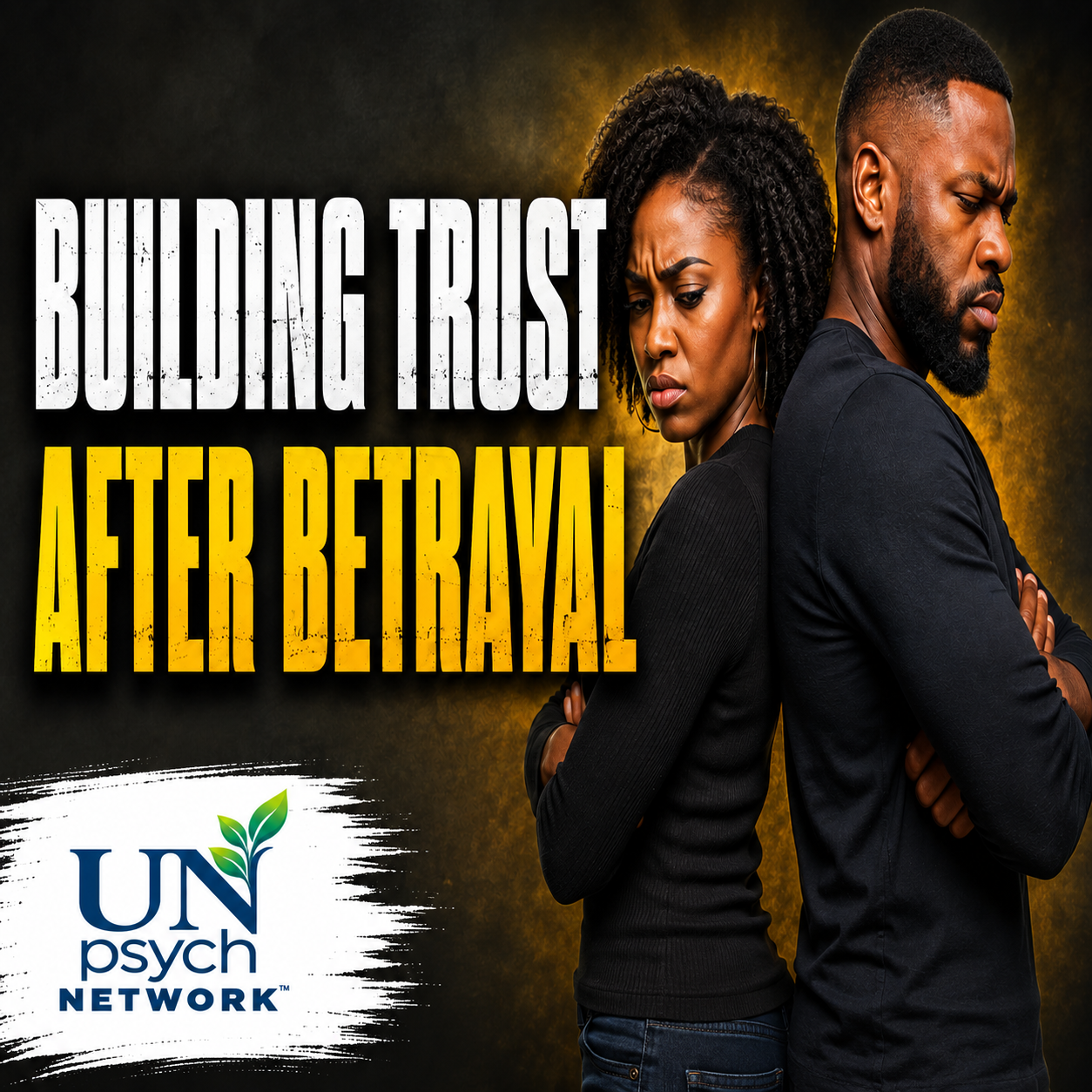
Series #3 Building Trust After Betrayal
Betrayal can take many forms—an affair, pornography involvement, hidden spending, broken promises, emotional secrecy, continual lying, or other behaviors that cause a partner to question what they believed was safe and true about the relationship. Building Trust After Betrayal explores how recovery requires two different but connected journeys.
One partner gathers evidence that “I can become safe with you again,” the other gathers evidence that “I am no longer defined only by what I did.”
Relationship Agreement Tool
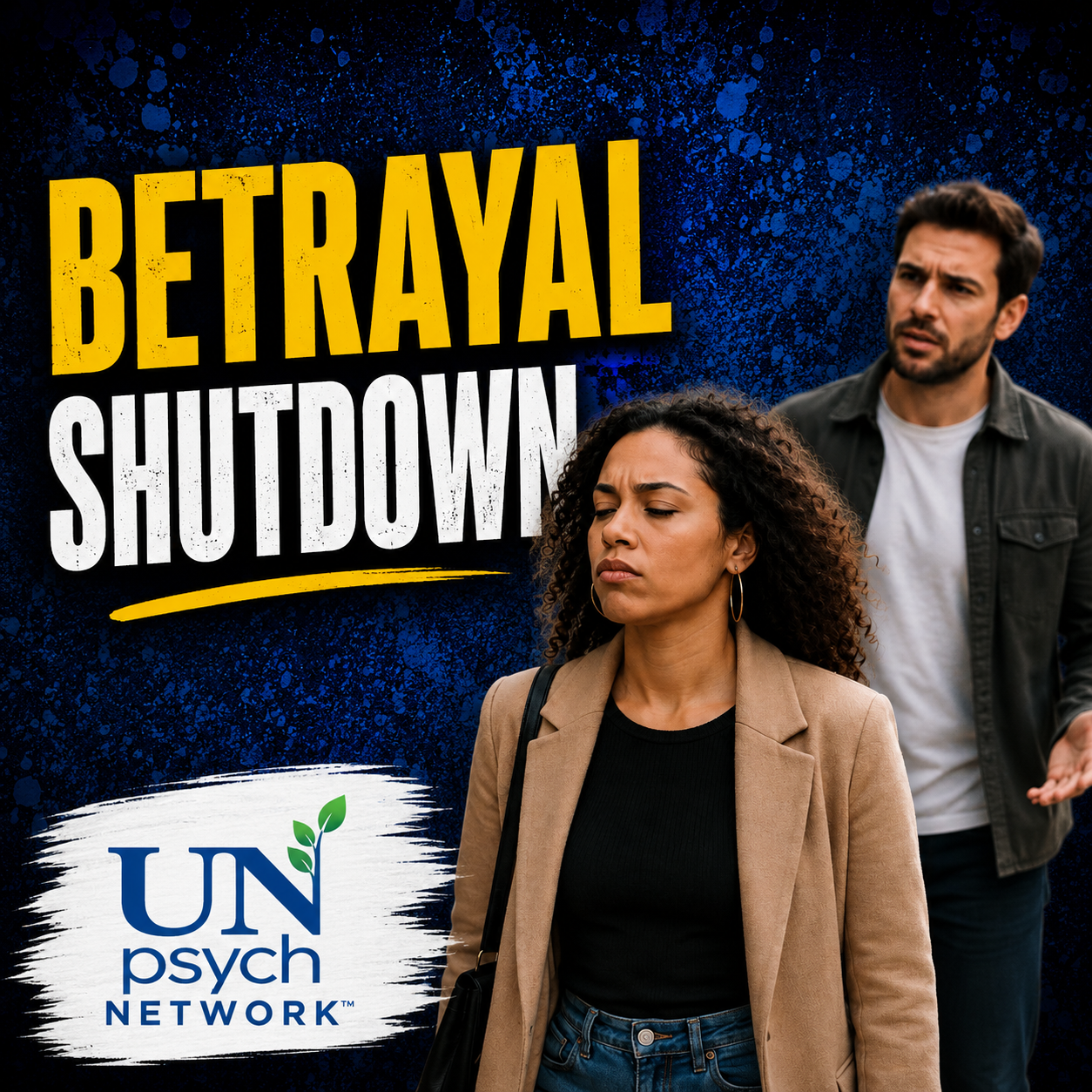
Series #4 Updating Our Relationship
Every relationship is shaped by two connected networks: the network within me—my insecurities, emotional needs, past experiences, assumptions, and protective reactions—and the network between us, created by the patterns my partner and I repeatedly build together.
The podcast moves couples beyond simply hearing the words toward helping each partner genuinely feel heard and understood. We learn that insecurities drive our reactions. So, updating the relationship means changing both networks.
© 2026 UNpsych Network